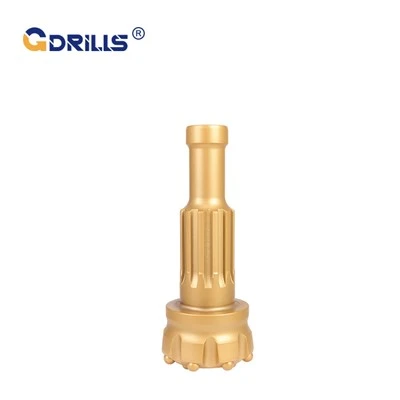
Hey there! As a supplier of DTH drill bits, I've seen firsthand how the hardness of rock can really throw a wrench into the performance of these bits. In this blog, I'm gonna break down the ins and outs of how rock hardness affects DTH drill bit performance, and why it's super important to keep this in mind when you're in the market for the right bit.
Let's start with the basics. What exactly do we mean by rock hardness? Well, it's a measure of how resistant a rock is to being scratched, indented, or otherwise deformed. There are different ways to measure rock hardness, but one of the most common is the Mohs scale. This scale ranges from 1 (softest, like talc) to 10 (hardest, like diamond). When we're talking about DTH drilling, the hardness of the rock we're dealing with can vary widely, from relatively soft sedimentary rocks to extremely hard igneous rocks.
So, how does rock hardness impact DTH drill bit performance? The first and most obvious way is wear and tear. Harder rocks are much more abrasive, which means they'll cause the drill bit to wear down faster. Think of it like trying to sandpaper a block of steel versus a block of wood. The steel is going to wear down the sandpaper a lot quicker. The same principle applies to DTH drill bits. When you're drilling through hard rock, the cutting edges of the bit are constantly being scraped and abraded, which can lead to dulling and chipping.
This wear and tear isn't just a cosmetic issue. It can have a huge impact on the efficiency of the drilling process. A dull bit has to work harder to penetrate the rock, which means it uses more energy. This can lead to increased fuel consumption and longer drilling times. In some cases, a worn - out bit might even get stuck in the hole, causing costly delays and potentially damaging the drill rig.
Another factor is the rate of penetration (ROP). In general, the harder the rock, the slower the ROP. This is because harder rocks require more force to break apart. The DTH drill bit has to apply a greater amount of pressure to the rock surface to create fractures and remove material. When the rock is soft, the bit can more easily cut through it, allowing for a faster drilling speed. For example, if you're drilling through a soft sandstone, you might be able to achieve a relatively high ROP. But if you hit a layer of granite, the ROP is going to drop significantly.
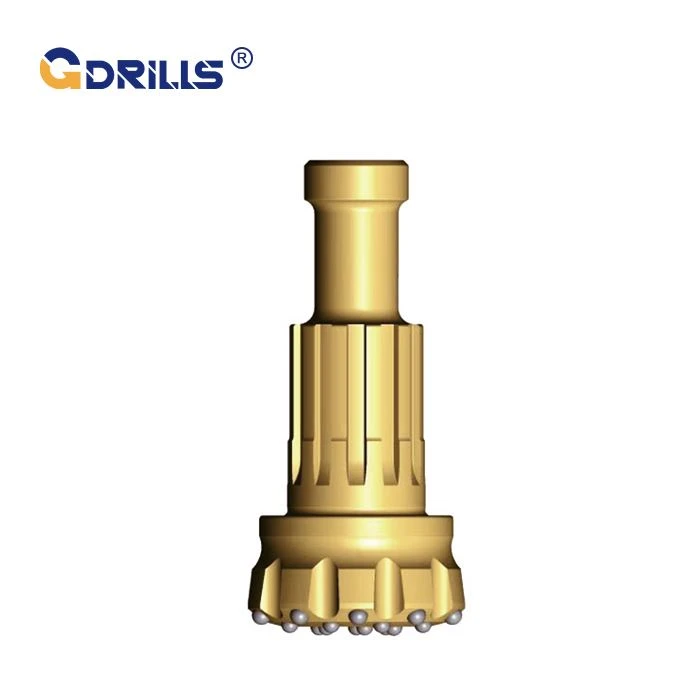
The type of DTH drill bit also plays a crucial role in how it performs against different rock hardnesses. For instance, DHD Bit DTH is designed to handle a variety of rock conditions. It has a unique cutting structure that can adapt to different levels of hardness. These bits are often made with high - quality materials that can withstand the abrasion of hard rocks, but they still need to be carefully selected based on the specific rock hardness at the drilling site.
Mission Down Hole Hammer Bits are another option. These bits are known for their durability and performance. They are engineered to deliver a powerful impact force, which is especially useful when drilling through hard rocks. The design of these bits helps to maximize the energy transfer from the hammer to the rock, improving the ROP even in tough conditions.

RE542 Reverse Circulation Drill Bits are a bit different. They are often used in situations where sample collection is important. The reverse circulation feature allows for efficient removal of cuttings from the hole, which can be particularly beneficial when dealing with hard rocks. However, the performance of these bits also depends on the rock hardness. In harder rocks, the cutting action needs to be more aggressive to maintain the ROP and ensure proper sample collection.
When selecting a DTH drill bit for a specific job, it's essential to know the rock hardness at the drilling site. You can use various methods to determine this, such as laboratory testing of rock samples or on - site hardness testing tools. Once you have an accurate idea of the rock hardness, you can choose the right bit that will offer the best performance and longevity.

In addition to choosing the right bit, proper maintenance is also key. Regularly inspecting the bit for signs of wear, such as dull edges or chipping, and replacing it when necessary can prevent many of the problems associated with drilling through hard rocks. You should also make sure that the drill rig is properly calibrated and that the drilling parameters, such as the rotation speed and the feed rate, are adjusted according to the rock hardness.
If you're in the market for DTH drill bits, it's important to work with a supplier who understands the relationship between rock hardness and bit performance. We've got a wide range of DTH drill bits, including the ones I mentioned above, and we can help you select the right bit for your specific needs. Whether you're drilling through soft sedimentary rocks or hard igneous rocks, we've got a solution that will work for you.
Don't let rock hardness slow you down. Contact us today to discuss your drilling requirements and find the perfect DTH drill bit for your project. We're here to help you get the most out of your drilling operations.
References
- "Drilling Engineering Handbook" by John P. Gunn
- "Rock Mechanics for Drilling Engineers" by R. Nagaraj
- Industry research reports on DTH drilling technology