

What is the corrosion resistance of the QL DTH Hammer?
As a supplier of the QL DTH Hammer, I've received numerous inquiries about its corrosion - resistant properties. In this blog post, we'll delve deep into understanding what makes the QL DTH Hammer stand out in terms of corrosion resistance, and how it compares to other hammers in the market.
First, let's understand the importance of corrosion resistance in DTH hammers. Down - the - hole (DTH) hammers are often used in harsh environmental conditions. They are frequently exposed to water, various minerals in the soil, and different types of chemicals, all of which can cause corrosion. Corrosion can significantly degrade the performance of a DTH hammer. It can lead to reduced efficiency, increased wear and tear on components, and ultimately, a shorter lifespan of the tool. This not only raises maintenance costs but also disrupts operations, causing downtime and financial losses for users.
The QL DTH Hammer is engineered to combat the challenges of corrosion. One of the key factors contributing to its corrosion resistance is the high - quality materials used in its construction. The body of the QL DTH Hammer is made from a special alloy steel. This alloy is carefully formulated to have a high level of corrosion resistance. The steel is treated through a multi - step heat - treatment process. This not only enhances its mechanical strength but also improves its ability to resist rust and corrosion. The heat - treatment modifies the microstructure of the steel, making it more stable and less likely to react with corrosive substances present in the working environment.
The surface finish of the QL DTH Hammer also plays a crucial role in its corrosion resistance. After the manufacturing process, the hammer undergoes a series of finishing operations. A special anti - corrosion coating is applied to the outer surface of the hammer. This coating acts as a barrier between the metal and the external environment. It prevents moisture, oxygen, and other corrosive agents from coming into direct contact with the steel. The coating is highly durable and can withstand the abrasion and impact forces that the hammer experiences during normal operation.
In addition to the material and coating, the design of the QL DTH Hammer is optimized to reduce the risk of corrosion. The internal passages and components are designed in a way that promotes proper drainage. This is important because stagnant water inside the hammer can accelerate the corrosion process. By ensuring that water can flow out easily, the QL DTH Hammer minimizes the time that its internal components are exposed to moisture.
Now, let's compare the QL DTH Hammer with other hammers in the market. There are several well - known types of DTH hammers such as the DHD Down To Hole Hammer, the Mission DTH Hammer, the Reverse Circulation Hammer RE542, and the RC Drill Hammer 5.5inch PR52. While these hammers have their own unique features and advantages, the QL DTH Hammer outshines them in terms of corrosion resistance in many cases.
The DHD Down To Hole Hammer, for example, is a popular choice in the industry. However, its corrosion - resistant properties are not as advanced as those of the QL DTH Hammer. The DHD may use standard steel in its construction, which is more prone to rust and corrosion compared to the alloy steel used in the QL. The coating on the DHD may also not be as effective in providing long - term protection against a wide range of corrosive agents.
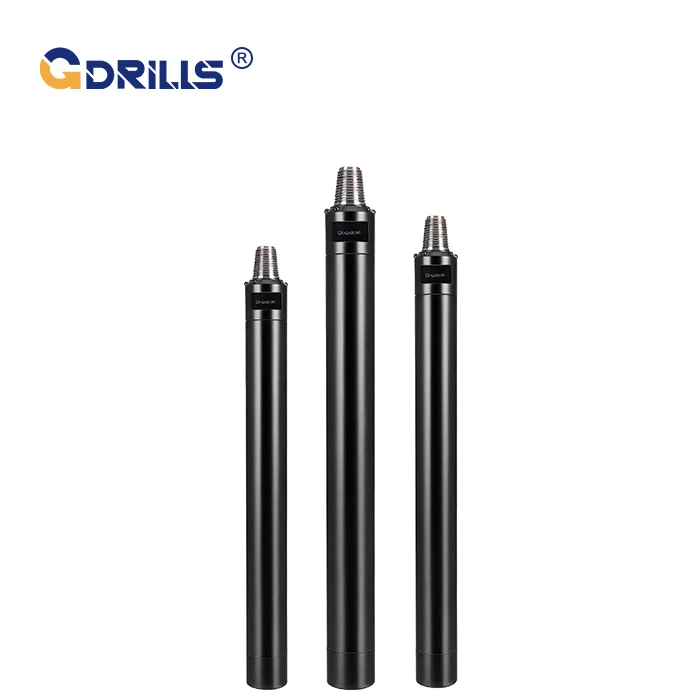
The Mission DTH Hammer is known for its performance in specific drilling applications. But when it comes to corrosion resistance, the design may not be as optimized for draining water as the QL DTH Hammer. Stagnant water inside the Mission hammer can cause internal components to corrode over time, reducing its efficiency and lifespan.
The Reverse Circulation Hammer RE542 and the RC Drill Hammer 5.5inch PR52 are designed for reverse circulation drilling. While they have their own set of features, their corrosion - resistant capabilities are not on par with the QL DTH Hammer. The materials and coatings used in these hammers may not offer the same level of protection in highly corrosive environments.
To further illustrate the corrosion - resistant capabilities of the QL DTH Hammer, let's look at some real - world examples. In a mining project in a coastal area, where the soil and water are highly saline, a contractor used the QL DTH Hammer for drilling. The high salt content in the environment is extremely corrosive to most metal tools. However, the QL DTH Hammer showed minimal signs of corrosion even after months of continuous use. In contrast, other hammers used in the same project started to show significant corrosion within weeks, leading to frequent maintenance and replacement of parts.
In another case, a construction company used the QL DTH Hammer in a project where the groundwater was acidic. The acidic water can quickly corrode the metal components of a DTH hammer. But the QL DTH Hammer, with its corrosion - resistant alloy steel and special coating, was able to maintain its performance and integrity throughout the project.
If you are in the market for a DTH hammer that offers excellent corrosion resistance, the QL DTH Hammer is a top choice. Its superior materials, advanced coating, and optimized design make it highly suitable for use in harsh and corrosive environments. Whether you are involved in mining, construction, or any other industry that requires drilling, the QL DTH Hammer can provide long - term, reliable performance.
If you're interested in learning more about the QL DTH Hammer or are looking to start a procurement discussion, feel free to reach out. We are more than happy to answer your questions and provide detailed product information. Our team of experts can also offer customized solutions based on your specific needs.


