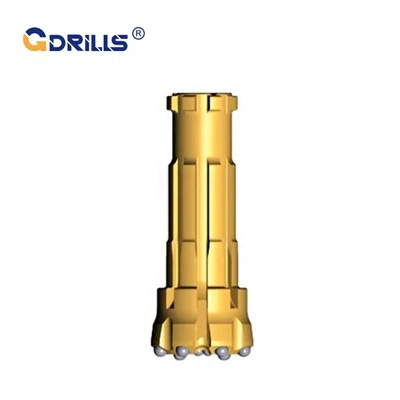
Coupling sleeves are essential components used in various industries, especially in drilling and construction. They are designed to connect two rods together, providing a secure and reliable connection that can withstand high - pressure and heavy loads.
Coupling sleeves are commonly used in top - hammer drilling operations, where they connect the drill rods to ensure seamless energy transfer from the drill rig to the drill bit. The quality of the coupling sleeve can significantly impact the efficiency and performance of the drilling process.
Different Thread Types of Coupling Sleeves
Coupling sleeves are available in different thread types to match various drill rods and drilling systems. In top hammer drilling applications, the most common thread types include R32, T38, T45, and T51. The right selection depends on drilling depth, rock conditions, equipment capacity, and the required drilling performance.
R32 coupling sleeves are mainly used for light to medium-duty drilling applications, such as quarrying, construction drilling, and small-scale mining. With a compact thread design, R32 provides a good balance between drilling efficiency, tool weight, and cost, making it suitable for shallow to medium-depth holes where flexibility and mobility are important.
T38 coupling sleeves are widely used in underground mining and general surface drilling applications. They offer a reliable connection with good thread strength and efficient energy transfer, providing a balance of penetration rate, durability, and cost-effectiveness for medium-depth drilling in various rock formations.
T45 coupling sleeves are designed for more demanding drilling conditions requiring higher impact energy and greater load capacity. Compared with T38, T45 provides stronger thread engagement and improved durability, making it suitable for large-scale mining, deeper drilling, and harder rock formations.
T51 coupling sleeves are developed for heavy-duty drilling operations where maximum strength and reliability are required. With a larger thread profile and higher torque resistance, T51 performs well in deep-hole drilling, large mining projects, and challenging rock conditions, helping reduce downtime and improve drilling productivity.
Importance of Choosing the Right Thread Type
Selecting the appropriate thread type for your coupling sleeves is of utmost importance. Using the wrong thread type can lead to a variety of problems, including:
-
Poor Connection: An incompatible thread type may result in a loose or unstable connection between the rods or pipes. This can cause vibrations during operation, which not only reduces the efficiency of the equipment but also increases the risk of damage to the components.
-
Increased Wear and Tear: A mismatched thread type can cause excessive wear on the coupling sleeve and the connected rods. This can lead to premature failure of the components, resulting in costly downtime and replacement expenses.
-
Safety Hazards: A faulty connection due to an incorrect thread type can pose serious safety risks. In drilling operations, for example, a loose coupling sleeve can cause the drill rod to separate, which can be extremely dangerous for workers on the site.
Our Range of Coupling Sleeves
As a coupling sleeve supplier, we understand the importance of offering a wide range of thread types to meet the diverse needs of our customers. Our Coupling Sleeves are available in all the major thread types mentioned above, including metric, imperial, buttress, and Acme threads.
We source our coupling sleeves from the most reputable manufacturers in the industry, ensuring that they meet the highest quality standards. Our products are made from high - strength materials that can withstand the rigors of heavy - duty applications. Whether you are involved in mining, construction, or any other industry that requires reliable coupling sleeves, we have the right products for you.
Factors to Consider When Selecting a Thread Type
When choosing a thread type for your coupling sleeves, there are several factors you should consider:
-
Equipment Compatibility: Make sure the thread type of the coupling sleeve is compatible with your existing equipment. Check the specifications of your drill rods, pipes, or other connected components to ensure a proper fit.
-
Application Requirements: Consider the specific requirements of your application. If you are working in a high - torque or high - load environment, you may need a stronger thread type such as buttress or Acme. For precision applications, metric threads may be more suitable.
-
Industry Standards: Different industries may have specific standards and preferences for thread types. Familiarize yourself with the industry standards relevant to your application to ensure compliance.

If you are unsure which thread type is best for your needs, our team of experts is here to assist you. We have years of experience in the coupling sleeve industry and can provide you with professional advice based on your specific requirements. We offer detailed product information and technical support to help you make an informed decision. Our goal is to ensure that you get the right coupling sleeves for your application, which will not only improve the performance of your equipment but also save you time and money in the long run.