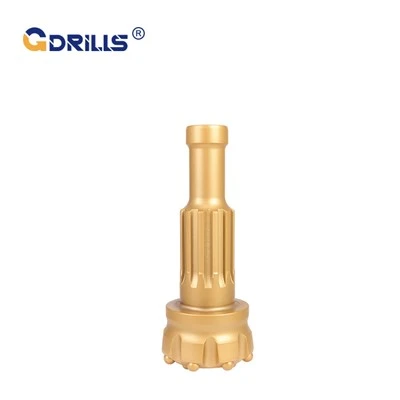
Hey there, drilling crew, mine operators, construction engineers, and anyone who's ever stared at a wonky borehole thinking, "Man, this should be smoother." Let's cut to the chase: if you've ever dealt with boring, drilling, or tunneling projects that went sideways because your initial hole wasn't quite the right size or shape, you're not alone. That's where reaming bits come in-and if you're new to the game, you're probably asking, "What even are these things, and why do I need them?" Spoiler: they're not just extra drill bits lying around; they're the unsung heroes of getting the borehole right the first time. As a reaming bits supplier, I've seen firsthand how a bad choice here can derail an entire project, so let's break this down like we're chatting over a coffee after a long day on site.
First off, let's get the basics straight. Reaming bits aren't the same as the drill bits you use to make the initial small hole (those are your standard pilot bits, for the record). Their whole gig is enlarging, smoothing, and perfecting a pre-existing borehole. Think of it like when you sand a rough piece of wood after cutting it-your initial cut is the pilot, but reaming is the finish work that makes it usable. Now, why does this matter so much? Because a wonky, undersized, or uneven borehole causes all kinds of headaches: casings won't fit right, grout seeps where it shouldn't, support structures shift, and before you know it, you're back on site with a time-consuming and costly do-over. Reaming bits solve that by taking that initial hole and making it precise, stable, and ready for whatever comes next.
Let's dive into the most common uses, because this stuff isn't one-size-fits-all. First up: stabilization in underground mining. I've worked with a ton of mine operators who swear by reaming bits for this. When you're driving tunnels or shaft raises, the initial pilot drill might be slightly off-center or leave rough walls that lead to rock falls or structural stress. Reaming bits-especially ones with replaceable pilot adapters, which are perfect for adjusting to different rock types-smooth those walls, create a consistent diameter, and make sure the mine's support systems (like rock bolts or liners) fit snugly. A while back, a gold miner I know in Nevada had a problem with their shaft keep shifting because the initial hole was irregular. They switched to a reaming bit with replaceable pilot adapter, and now their shaft is holding steady no matter what kind of rock they hit. It's like having a guide for the drill, y'know?
Next, tunneling and micro-tunneling. These projects need super precise, straight boreholes because you're laying pipes, cables, or water lines that have to line up exactly. If your reaming is off, you might end up with a pipe that's misaligned, causing leaks or even having to cut out sections and redo them. That's where things like the T45 Guide Button Bit for Stable Boring Performance come in-its design keeps the drill on track, so you don't veer off course while reaming. Micro-tunneling is tight, too; you don't have a lot of room to work, so a smooth reaming job means no extra debris cluttering up the space and no delays. I recently had a utility company client do a 1,200-foot micro-tunnel for fiber optics, and they told me using a quality reaming bit cut their reaming time by 30% because they didn't have to stop and clean up rough walls every 100 feet. That's not just a win for speed-it's a win for their bottom line.
Then there's well drilling-water wells, oil and gas wells, you name it. A well's borehole has to be the exact right diameter to fit the casing and keep it stable. If the hole's too small, the casing gets stuck; too big, and it shifts, leading to water contamination or collapse. Reaming bits make sure that hole is uniform all the way down, even in variable rock formations. For water well drillers, that means more reliable water flow, fewer maintenance issues, and happier clients. One well driller in Texas told me he used to have to ream twice in soft sandstone because his old bit was wearing unevenly. Now he uses a solid reamer bit, and he only has to do one pass. Less time reaming = more wells drilled, more money in his pocket. That's the kind of win we all love.
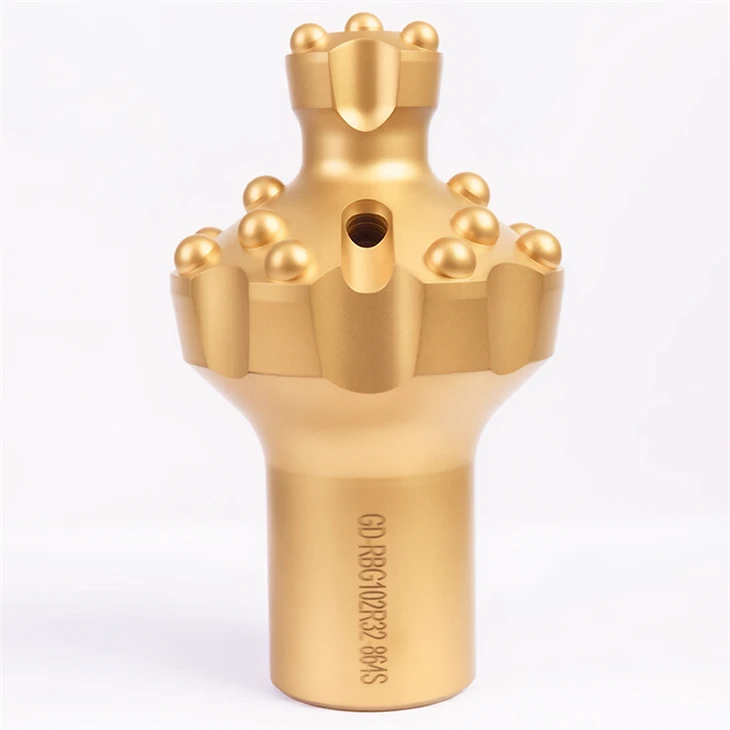

Construction's another big one, especially for foundation work. When you're building a bridge, high-rise, or large commercial building, the pile foundations need precise, straight boreholes to support the structure. If those holes are off, the foundation can settle unevenly, leading to structural issues down the line. Reaming bits are used to clean and enlarge the pilot holes for foundation piles, making sure the piling fits perfectly and the load is distributed evenly. A construction manager I worked with on a hospital project in Florida said that using the right reaming bit helped them avoid a costly delay when they found a section of uneven rock halfway down the pile holes-they just reamed that section to the correct size and kept moving, no need to start over. That's the kind of flexibility and reliability reaming bits bring to the table.
Wait, but not all reaming bits are the same, right? I've seen guys try to use the wrong bit for the job and wonder why it's not working. Let's talk about the different types and what they're best for. First, if you're dealing with rock that's abrasive or you need a super stable bore, check out the T45 Guide Button Bit for Stable Boring Performance-its guide button keeps the bit centered, so you don't wander. If you're in multiple projects and need to adjust the pilot size without switching the whole bit, a Reaming Bit with Replaceable Pilot Adapter is your go-to-you just swap out the pilot instead of the whole unit, saves time and money. For projects needing a consistent 12-degree taper, the 12 Degree Taper Reaming Bit R35 is made for that specific taper, which is common in some mining and tunneling applications. And if you just need a solid, all-around reaming solution that works for most general drilling, you can't go wrong with standard Reaming Bits-they're workhorses that handle a wide range of materials.
Now, let's get real about why reaming bits matter more than people give them credit for. A lot of drilling teams focus on the pilot drill, since that's what makes the initial hole, but the reaming step is where you actually get a usable hole. Skipping or rushing reaming leads to all kinds of issues later on. I've had clients tell me stories of projects going sideways because they tried to skip reaming, or used a cheap bit that wore out fast. The key is matching the right reaming bit to your project, your rock or soil type, and your precision needs. If you're reaming in soft, clay-like soil, you don't need the same rugged bit as you would in hard granite. Using the wrong bit wears it out faster, makes your job take longer, and can even damage the borehole so bad you have to abandon it and start over. That's not cheap-we're talking thousands, maybe hundreds of thousands, of dollars lost.
Another thing I've learned as a reaming bits supplier: investing in quality reaming bits isn't a luxury, it's a smart business move. Yeah, you might pay a bit more upfront, but you save on downtime, repairs, do-overs, and wasted materials. I had a mine client who was using cheap reaming bits that lasted 200 feet on average. They switched to our Reaming Bits, and now they're getting 450 feet per bit. That's double the productivity, less time spent changing bits, and fewer trips to the hardware store mid-project. It adds up fast. Also, proper maintenance of your reaming bits goes a long way-cleaning them after each use, checking for worn button or pilots, and replacing parts when needed (like with the replaceable pilot adapters) keeps them working at their best. A well-maintained bit is a long-lasting bit, and that's good for everyone on site.
Let's wrap this up with a quick recap so you don't forget the key points. Reaming bits are used to enlarge, smooth, and stabilize pre-existing boreholes for three main areas: mining (shafts, tunnels, support structures), tunneling/micro-tunneling (pipes, cables, precision alignment), and drilling (wells, foundation piles). Different types fit different jobs-whether you need stability, taper, adjustability, or general all-around performance. The right bit saves time, money, and headaches, while the wrong one leads to delays and extra costs.
Now, if you're in the drilling, mining, construction, or utility business and you're tired of dealing with wonky boreholes, worn-out bits, or project delays, I'm here to help. Whether you need advice on which reaming bit is right for your specific project, want to learn more about our range (including the T45 Guide Button Bit, Reaming Bits, Reamer Bit, Reaming Bit with Replaceable Pilot Adapter, and 12 Degree Taper Reaming Bit R35), or you're ready to order, don't hesitate to reach out. We're all about making your job easier, because when you succeed, we succeed too. Hit us up to chat through your needs, no pressure, just good advice and quality tools.