

In the realm of geothermal drilling, drill rods play a pivotal role that is often underestimated. In this blog, we will delve into the various roles that drill rods play in geothermal drilling, highlighting their importance and the specific features that make them indispensable.
The Foundation of Geothermal Drilling
Geothermal energy is a renewable and sustainable source of power that harnesses the heat from the Earth's interior. To access this energy, geothermal drilling is required to reach the hot rocks and fluids deep beneath the surface. Drill rods are the fundamental components of the drilling system, providing the necessary connection between the drilling rig at the surface and the drill bit at the bottom of the well.
The drill rods are responsible for transmitting the rotational force and the axial load from the drilling rig to the drill bit. This allows the drill bit to penetrate the rock formations and create a borehole. Without drill rods, it would be impossible to reach the geothermal resources and extract the heat.
Types of Drill Rods Used in Geothermal Drilling
There are several types of drill rods used in geothermal drilling, each designed to meet specific requirements. Some of the commonly used drill rods include:
-
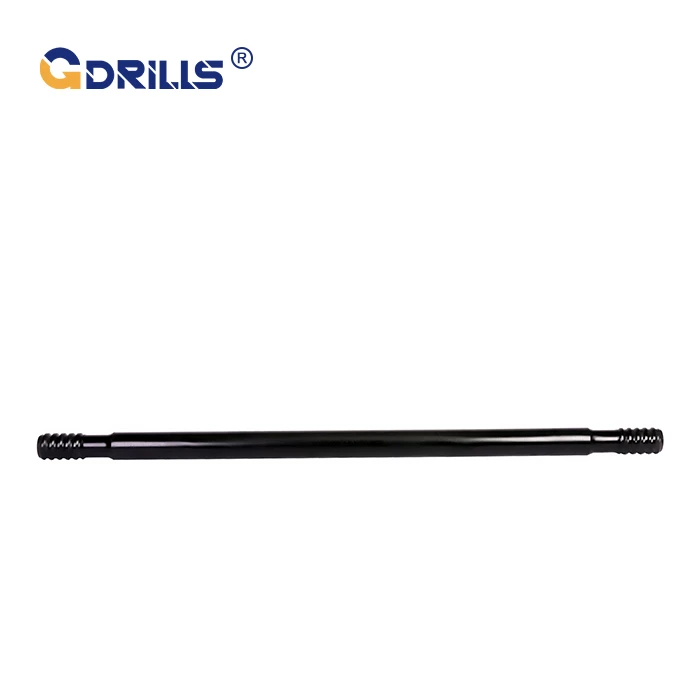
Long Hole Drilling Rod T51 MF: This type of drill rod is designed for long hole drilling applications. It offers high strength and durability, making it suitable for deep geothermal wells. The Long Hole Drilling Rod T51 MF is made from high-quality materials and is engineered to withstand the harsh conditions of geothermal drilling.
-
Extension Rod T45: Extension rods are used to increase the length of the drill string. The Extension Rod T45 is a popular choice for geothermal drilling as it provides a reliable connection between the drill rods and allows for the extension of the borehole.
-
Drilling Rig Rod T45 MF: This type of drill rod is specifically designed for use with drilling rigs. The Drilling Rig Rod T45 MF offers excellent stability and performance, ensuring efficient drilling operations.
Key Functions of Drill Rods in Geothermal Drilling
The drill rods perform several key functions in geothermal drilling, including:
1. Transmitting Torque and Axial Load
As mentioned earlier, drill rods are responsible for transmitting the rotational force (torque) and the axial load from the drilling rig to the drill bit. This allows the drill bit to cut through the rock formations and create a borehole. The drill rods must be strong enough to withstand the high torque and axial loads generated during the drilling process.
2. Providing a Path for Circulating Fluids
During geothermal drilling, drilling fluids are circulated through the drill rods to cool the drill bit, remove cuttings from the borehole, and maintain the stability of the wellbore. The drill rods act as a conduit for the drilling fluids, allowing them to flow from the surface to the bottom of the well and back.
3. Facilitating Borehole Extension
As the drilling progresses, the drill rods are added to the drill string to extend the length of the borehole. This allows the drill to reach deeper into the Earth's crust and access the geothermal resources. The drill rods must be easily connectable and disconnectable to facilitate the addition and removal of rods during the drilling process.
4. Ensuring Borehole Stability
The drill rods play a crucial role in maintaining the stability of the borehole. They help to prevent the collapse of the wellbore by providing support and reducing the risk of rock falls. The drill rods must be designed to withstand the pressure and stress exerted by the surrounding rock formations.

Features and Considerations for Drill Rods in Geothermal Drilling
When selecting drill rods for geothermal drilling, several features and considerations should be taken into account:
1. Material Quality
The material quality of the drill rods is of utmost importance. High-quality materials, such as alloy steel, offer excellent strength, durability, and resistance to wear and corrosion. The drill rods should be able to withstand the high temperatures and pressures encountered in geothermal drilling.
2. Thread Design
The thread design of the drill rods is critical for ensuring a secure connection between the rods. A well-designed thread can prevent the rods from coming loose during the drilling process, reducing the risk of accidents and downtime. The thread should also be easy to clean and maintain.
3. Length and Diameter
The length and diameter of the drill rods should be selected based on the specific requirements of the geothermal drilling project. Longer drill rods are required for deeper wells, while larger diameter rods may be needed to handle higher torque and axial loads.
4. Compatibility
The drill rods should be compatible with the drilling rig and other components of the drilling system. They should be able to fit seamlessly into the existing equipment and work together effectively.
The Importance of Quality Drill Rods in Geothermal Drilling
Using high-quality drill rods is essential for the success of geothermal drilling projects. Quality drill rods offer several benefits, including:
1. Increased Efficiency
High-quality drill rods are designed to provide maximum efficiency during the drilling process. They offer better performance, reduce downtime, and increase the overall productivity of the drilling operation.
2. Improved Safety
Quality drill rods are less likely to fail or break during the drilling process, reducing the risk of accidents and injuries. They also provide better stability and support, ensuring the safety of the drilling crew.
3. Longevity
Investing in high-quality drill rods can result in significant cost savings in the long run. Quality drill rods have a longer lifespan, reducing the need for frequent replacements and maintenance.
Conclusion
In conclusion, drill rods play a crucial role in geothermal drilling. They are the foundation of the drilling system, providing the necessary connection between the drilling rig and the drill bit. The drill rods transmit torque and axial load, provide a path for circulating fluids, facilitate borehole extension, and ensure borehole stability. When selecting drill rods for geothermal drilling, it is important to consider factors such as material quality, thread design, length and diameter, and compatibility. Using high-quality drill rods can improve efficiency, safety, and longevity, ultimately leading to the success of geothermal drilling projects.
If you are in need of high-quality drill rods for your geothermal drilling project, we invite you to contact us for a consultation. Our team of experts can help you select the right drill rods for your specific requirements and provide you with the support and guidance you need to ensure a successful drilling operation.


