

How to ensure the stability of reaming bits during operation?
As a trusted supplier of reaming bits, I understand the critical importance of ensuring the stability of these tools during operation. Reaming bits play a vital role in various industries, including mining, construction, and oil and gas exploration. Their stability directly impacts the quality of the drilling process, the efficiency of operations, and the overall safety of the workplace. In this blog post, I will share some key strategies and best practices to help you maintain the stability of reaming bits and achieve optimal performance.
1. Select the Right Reaming Bit for the Job
The first step in ensuring the stability of reaming bits is to choose the appropriate tool for the specific application. Different types of reaming bits are designed to handle various materials, drilling conditions, and hole sizes. For example, a Reaming Bit with Replaceable Pilot Adapter is ideal for applications where precise hole alignment is required, while a Reaming Bits with a specific tooth configuration may be better suited for hard rock drilling. Consider factors such as the material hardness, the depth and diameter of the hole, and the drilling method when selecting a reaming bit.
2. Proper Installation and Setup
Once you have selected the right reaming bit, it is crucial to install and set it up correctly. Improper installation can lead to instability, vibration, and premature wear of the tool. Follow the manufacturer's instructions carefully when installing the reaming bit on the drill rig. Ensure that the bit is securely fastened and properly aligned with the drill string. Check the torque specifications and use the appropriate tools to tighten the connections. Additionally, make sure that the drill rig is properly calibrated and leveled to minimize any potential misalignment.
3. Maintain the Drill Rig and Equipment
The stability of reaming bits also depends on the condition of the drill rig and other equipment. Regular maintenance and inspection of the drill rig, including the drill string, chuck, and feed system, are essential to ensure smooth and stable operation. Check for any signs of wear, damage, or misalignment in the equipment and replace any worn or damaged parts promptly. Keep the drill rig clean and lubricated to reduce friction and prevent overheating. Additionally, ensure that the drill rig is properly balanced to minimize vibration.
4. Optimize the Drilling Parameters
The drilling parameters, such as the rotation speed, feed rate, and thrust, have a significant impact on the stability of reaming bits. It is important to optimize these parameters based on the specific application and the characteristics of the material being drilled. A too-high rotation speed or feed rate can cause excessive vibration and wear on the reaming bit, while a too-low speed or rate may result in inefficient drilling and poor hole quality. Consult the manufacturer's recommendations or conduct test drilling to determine the optimal drilling parameters for your specific application.

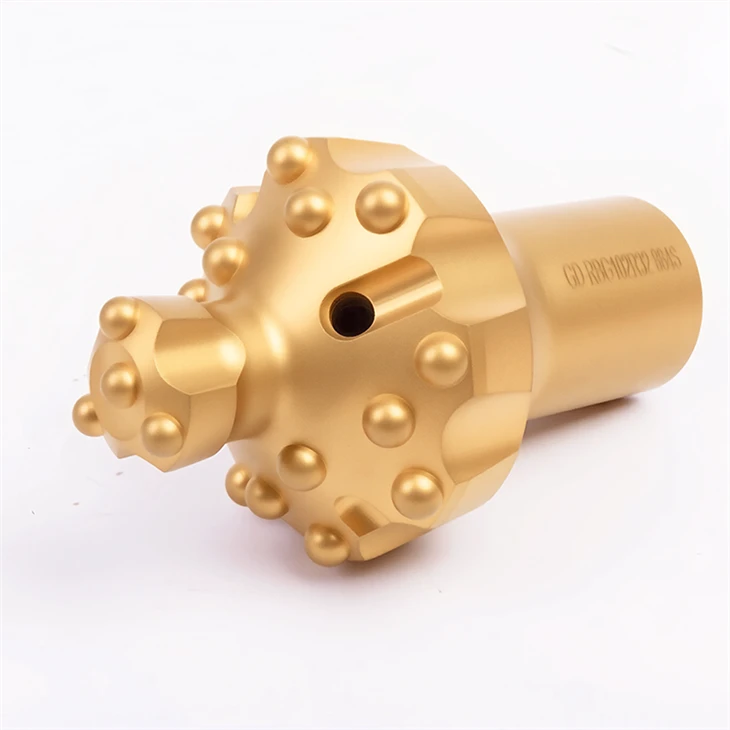
5. Use High-Quality Drill Bits and Accessories
The quality of the reaming bit and its accessories also plays a crucial role in ensuring stability. Invest in high-quality reaming bits made from durable materials and with advanced manufacturing techniques. These bits are more resistant to wear, heat, and impact, which helps to maintain their stability and performance over time. Additionally, use high-quality drill bits and accessories, such as drill pipes, couplings, and adapters, to ensure a proper fit and connection between the reaming bit and the drill rig.
6. Monitor the Drilling Process
During the drilling process, it is important to monitor the performance of the reaming bit and the drill rig closely. Pay attention to any signs of instability, such as excessive vibration, noise, or deviation from the desired hole path. If you notice any issues, stop the drilling immediately and investigate the cause. Adjust the drilling parameters or replace the reaming bit if necessary. Regularly inspect the reaming bit for wear and damage and replace it when it reaches the end of its useful life.
7. Train the Operators
Proper training of the drill operators is essential to ensure the stability of reaming bits during operation. Operators should be familiar with the operation and maintenance of the drill rig and the reaming bit. They should understand the importance of following the manufacturer's instructions and best practices for drilling. Provide comprehensive training to the operators on topics such as drill rig setup, drilling parameters, bit selection, and maintenance. Encourage operators to report any issues or concerns immediately to prevent further damage or accidents.
Conclusion
Ensuring the stability of reaming bits during operation is crucial for achieving optimal performance, efficiency, and safety in drilling applications. By selecting the right reaming bit for the job, properly installing and setting it up, maintaining the drill rig and equipment, optimizing the drilling parameters, using high-quality drill bits and accessories, monitoring the drilling process, and training the operators, you can minimize the risk of instability and ensure the smooth and successful operation of your drilling projects.
If you are interested in learning more about our Reaming Bits or other drilling tools, or if you have any questions or need assistance with your drilling projects, please feel free to contact us. We are here to provide you with the best solutions and support to meet your needs.


